
Candle Craft 20: Teacups Theory
By Royal McGraw
Royal McGraw has written professionally for film, television, comics, and games for over 20 years. He led development on the mobile smash hit Choices: Stories You Play and currently serves as CEO of Candlelight Games.

Welcome! This is the 20th installment of a multi-part series on how to improve your writing process and storytelling.
Last time, we spoke about Knife Theory, an authorial tool used to place your players into difficult situations that they’ll enjoy. Today we’re going to explore another useful metaphor with our very own Teacups Theory.
Duck, Duck, Ruse
My superpower is that games break for me. When everyone else was raving about how good The Last of Us was, I had to explain that I’d spent about 40 minutes stuck halfway in the ground. In Red Dead Redemption, Mother Superior appeared to me as a floating habit with human eyeballs and a levitating shotgun.
So obviously, the first time I played Telltale’s The Walking Dead, my game crashed hard shortly after the pivotal tractor scene.
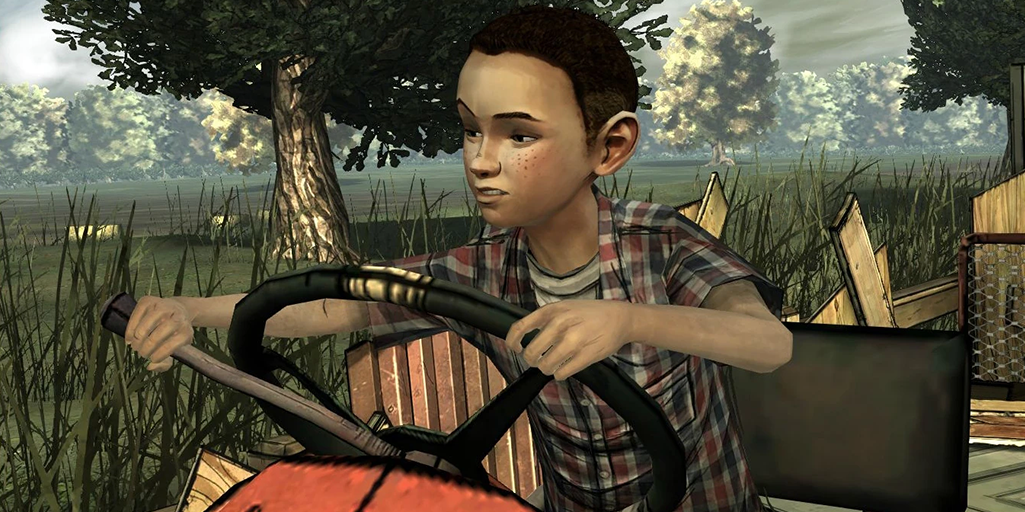
For those who don’t remember or haven’t played Telltale’s The Walking Dead, the tractor scene is important because it presents one of the game’s first big decisions: do you attempt to save Shawn or do you attempt to save Duck?
In my first playthrough, I went for Duck. I saved him, and Shawn was eaten by zombies. In my second playthrough, I went for Shawn. Duck was saved by someone else, and Shawn was eaten by zombies.
It turned out that the choice I’d felt so good about in my first playthrough hadn’t actually mattered. And just like that, the illusion was shattered.
Don’t get me wrong: Telltale’s The Walking Dead is good. I enjoyed my time with the game. But I just didn’t get the same experience that everyone else did.
There are intellectually correct ways to defend this. Very few of them are emotionally satisfying. Yes, The Walking Dead explores futility as a central theme. But even so, making a player’s immediate action feel futile is not fun. Players who choose to save Shawn do not see their intention honored. Worse, they will remember the slight.
The Player Will Remember That
So what went wrong here?
We could certainly make a few small changes to improve the flow. Maybe Shawn gets to survive a few more scenes, if you saved him. Maybe the game gives the player a little more time to feel like their action mattered. But honestly, the biggest issue with the narrative interaction isn’t the narrative interaction itself. The biggest issue is the promise.
Telltale’s The Walking Dead promises that your decisions matter, all of them. “Clementine will remember that.”
The game hands players a steering wheel, and players are disappointed when that wheel does not steer them in the direction they intended. That is why players leave negative reviews using terms like “on rails” or “illusion of choice”.
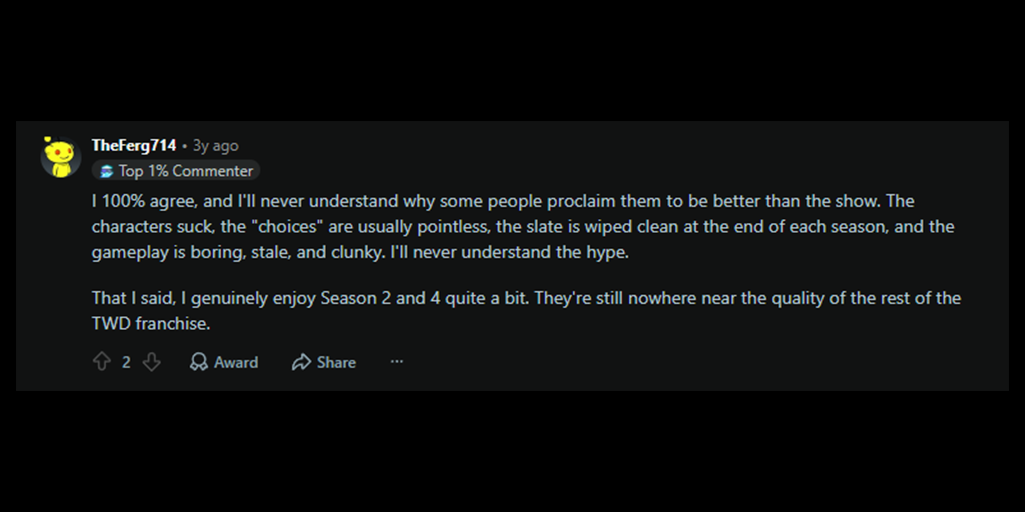
And honestly, this criticism is fair. But again, the sin is not putting the player on rails. The sin is handing them a fake steering wheel.
So what can we do to solve this in our own work? As with many problems, the solution starts with a cup of tea.
Tea Time
My daughter loves Legoland. Her current favorite ride is Bionicle Blaster.
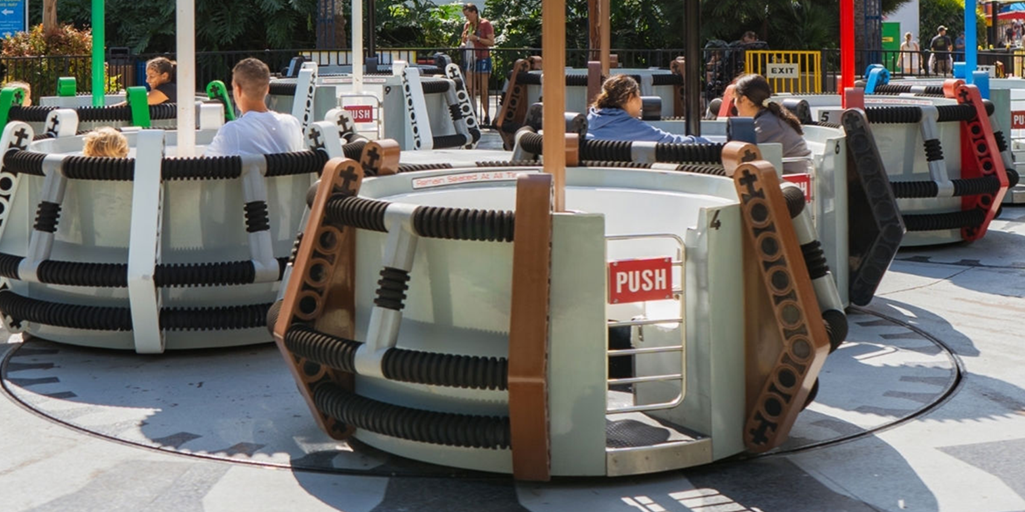
This is essentially a classic Teacups ride, just like the Mad Tea Party at Disneyland. Inside each car, riders are given a wheel. Turning the wheel one way makes the car spin faster. Turning it the other way makes the car spin slower. At no point do riders believe they are controlling the entire ride. They are on a ride.
But within the context of that ride, they are empowered to control a clearly defined portion of the experience. And my daughter loves this! “Spin faster, PaPa! Spin faster!”
More modern amusement park rides like Buzz Lightyear Astro Blasters add an additional layer of active skill expression to a similar idea. The ride is the ride, but the rider has a well-defined axis of control.
In other words, the promise to the rider is clear, and more importantly, the promise is kept.
Take the Wheel
In the early days of Choices, when we were working on a new series, we spent a good deal of time defining the essential promise to the player. How much of the story was inevitable? How much was user-defined?
For our romance games, we felt that preserving the arc of a traditional romance was critical. These games have a teacup wheel. Players can spin faster or slower, but the ride is fundamentally the same.
For genre titles like It Lives and Wake the Dead, moral and mechanical expression became more essential. These play more like Buzz Lightyear Astro Blasters where different players can leave the same ride with a very different “score”.
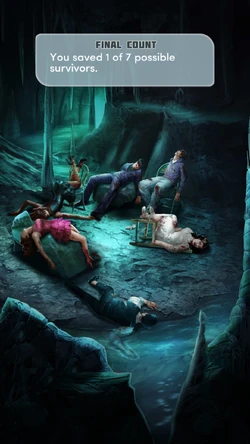
Neither approach is inherently better. What matters is that the wheel does what the player believes it does.
Teacups Theory
Every interactive narrative makes a promise about what the player controls. The player does not need to control everything. In fact, most players do not expect to control everything. They understand genre. They understand structure. They understand that stories need shape.
But they do want to know exactly what they control.
Make a promise and keep it, just like Bionicle Blaster does. If the promise seems underwhelming, that’s not a sign to exaggerate your marketing. Maybe you just haven’t figured out your wheel yet.
As you examine your own work, ask yourself: what wheel have you promised your players? Does it do what it says? Or are you promising control that you can’t ultimately deliver?