
Candle Craft 19: Knife Theory
By Royal McGraw
Royal McGraw has written professionally for film, television, comics, and games for over 20 years. He led development on the mobile smash hit Choices: Stories You Play and currently serves as CEO of Candlelight Games.

Welcome! This is the 19th installment of a multi-part series on how to improve your writing process and storytelling.
Last time, we dove back into writing fundamentals with the essential advice to Start At The End.
This time, we’re going to explore an entirely different way to structure narrative – not with plot devices, but with very sharp knives.
Knife Theory
Around a decade ago, Reddit user jimbaby posted what many in the TTRPG community have come to acknowledge as essential guidance for aspiring TTRPG Dungeon Masters (DMs).
The post was titled “My friends and I have something called ‘Knife Theory’”. At its core, Knife Theory is a mutual understanding between players and DMs that every juicy piece of backstory provided to a DM is a knife, and the DM has explicit permission to take that knife and stab you straight into your gushy heart.
Let’s look at an example of that:
When you write down on your character sheet that your character is arachnophobic, well, that is effectively both 1) permission and 2) a request for the DM to put lots and lots of spiders into the story.
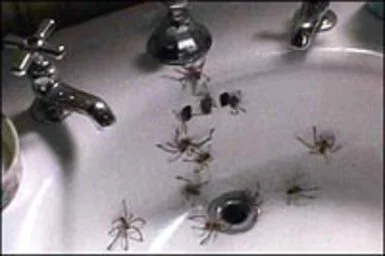
Or maybe just one big one.
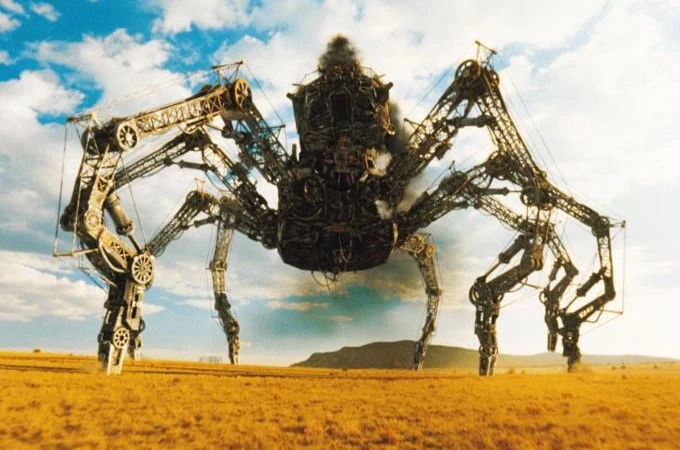
Or maybe turn you into a spider, where you go on a journey of self-discovery.
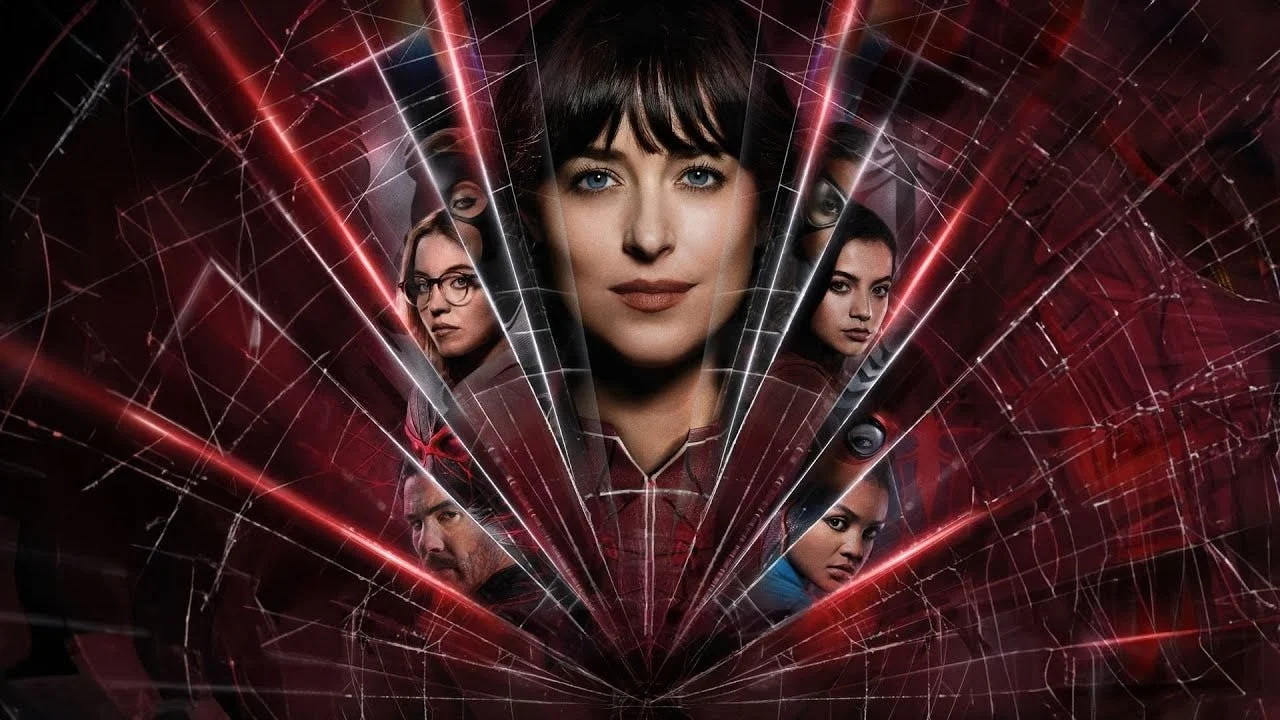
The point is that arachnophobia is a knife. You give that knife to the DM, and he or she will figure out how best to stab you with it.
Responsible Knife Handling
The definition for Knife Theory includes “mutual understanding” because Knife Theory is not blanket permission for the DM to terrorize a player – either on purpose or accidentally.
If the player is truly arachnophobic, and even verbal descriptions of spiders will ruin the experience, their job is to ensure that the arachnophobia knife is NOT provided to the DM.
This makes the core of the agreement: the players promise to provide fun knives, and the DM promises to stab the players in fun ways.
So how does this relate to writing more generally?
Fun Problems
Stan Lee’s early pitch for Spider-Man was rejected. His publisher told him, “Stan, don't you know what a superhero is? They don't have personal problems.”
Of course fate intervened, and Stan Lee (along with the incredible Steve Ditko) was able to get his Spider-Man story published in the failing Amazing Fantasy issue #15.
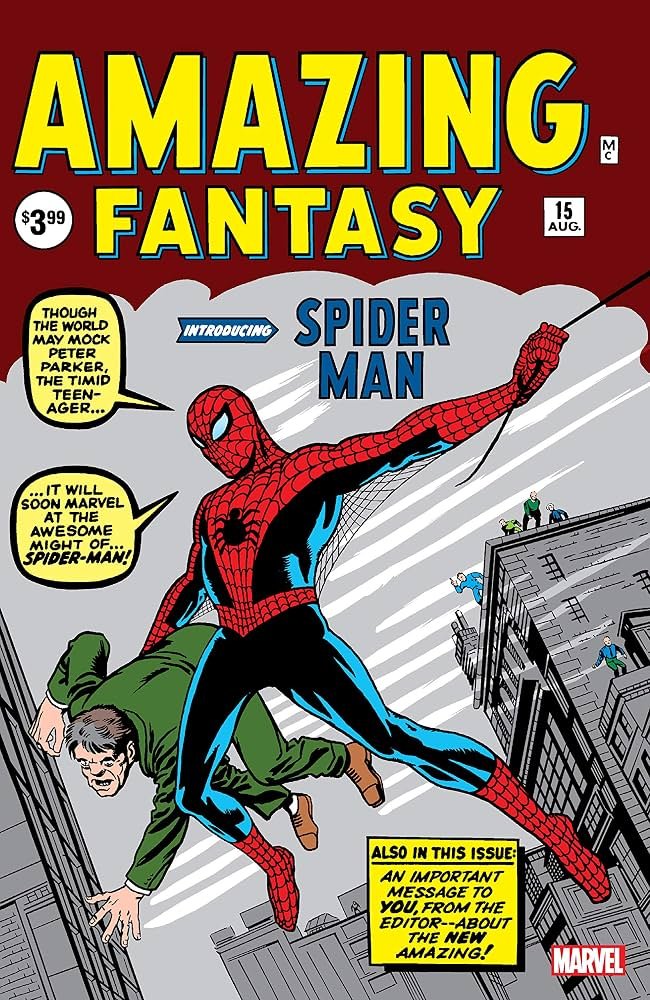
Audiences immediately responded, and the character went on to be one of the most commercially successful superheroes of all time. Not only could superheroes have personal problems, it turned out that audiences actually preferred superheroes with problems.
Or in other words, Lee and Ditko introduced a superhero with a backstory full of knives.
Uncle Ben
Aunt May
Mary Jane Watson
Harry Osborn
Flash Thompson
School
Work
All of these are sharp, and across decades of stories, Peter Parker has been stabbed by every single one of them.
In the same way that players in a TTRPG submit themselves to the knives wielded by the DM, audiences submit themselves (and the characters they read about) to the knives wielded by the author.
Not only do audiences want their favorite characters to be stabbed – most often they want their favorite characters to be stabbed the most… and from every conceivable angle!
Fun Problems
Reddit user jimbaby does a great job breaking down the many kinds of knives in his original post, but I’ll summarize the list here for completeness. Backstory knives can be:
Named family members
Traumas
Phobias
Named enemies (or enemy groups)
Obligations or debts, whether ongoing or broken
Crimes
Keepsakes
Secrets or mysteries
Remember: a problem becomes a knife when it is personal. A war is a problem. A war that puts your brother on the other side of the battlefield is a knife.
So for example: your father can be kidnapped or killed or in debt to the mob… or maybe just deeply disapproving of your chosen fiancé. Any or all of these knives would immediately force your character into action, or more correctly, reaction.
Because that is what knives do: they prod, they poke, they make your characters move.
Two questions, same answer, but the difference in perspective can profoundly affect how you search for that essential truth.
Key Takeaway
Stories become powerful when problems stop being abstract and start getting sharp. A knife is the piece of backstory that hurts.
Take a look at some of your favorite stories. What knives do those characters have in their backstories? How were those knives used to stab the characters?
Then when you work on your own stories, do the same. What knives exist in your character’s backstory? How do you plan on stabbing your character?
Did this blog help? Anything you want to hear more about? Be sure to let us know!